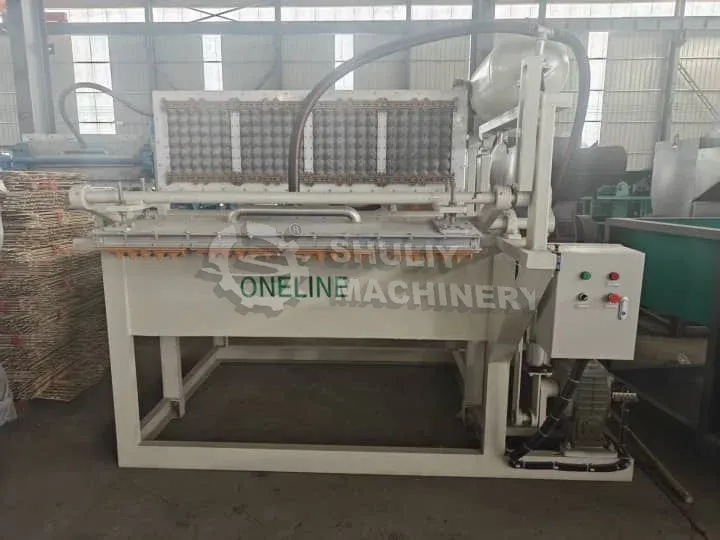
How to Choose the Right Egg Tray Machine: Complete Selection Guide 2026
Choosing the right egg tray machine is one of the most important decisions you’ll make for your egg packaging business. The wrong choice can cost you thousands in wasted investment, while the right machine pays for itself within 12-18 months.
This comprehensive guide walks you through everything you need to consider—from capacity planning and budget to technical specifications and supplier selection. Whether you’re a startup or an established business expanding operations, this guide will help you make a confident decision.
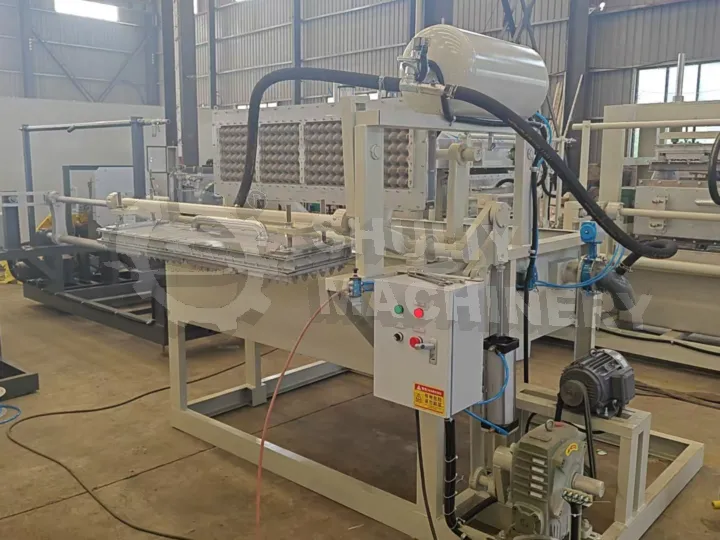
Why Machine Selection Matters
Your машина для яиц is the heart of your production line. The wrong choice leads to:
- Under-capacity: Lost sales, missed deadlines, unhappy customers
- Over-capacity: Wasted investment, higher operating costs, idle equipment
- Poor quality: Customer complaints, rejected orders, damaged reputation
- High maintenance: Frequent breakdowns, expensive repairs, production downtime
The right machine, on the other hand, becomes a profit-generating asset for 10+ years.
Step 1: Calculate Your Production Needs
Before browsing models, you need a clear picture of your production requirements.
Daily Output Target
Ask yourself: How many egg trays do I need to produce per day?
- Small operation (1,000-2,000 pcs/h): Local sales, small farms
- Medium operation (2,500-4,000 pcs/h): Regional distribution, multiple clients
- Large operation (5,000-7,000 pcs/h): Industrial scale, export markets
Future Growth Planning
Don’t just plan for today. Consider:
- Expected growth in 2-3 years
- New markets you might enter
- Additional product types (egg cartons, fruit trays)
Rule of thumb: Choose a machine that handles 120-150% of your current needs. This gives you room to grow without immediate reinvestment.
Step 2: Understand Machine Types
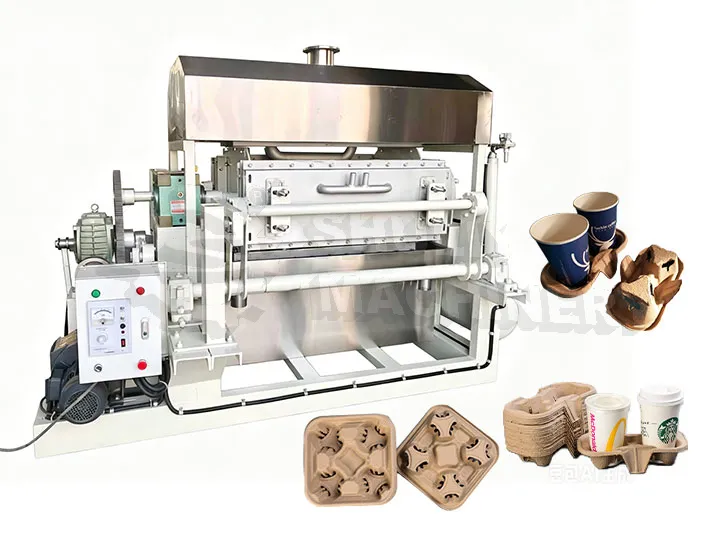
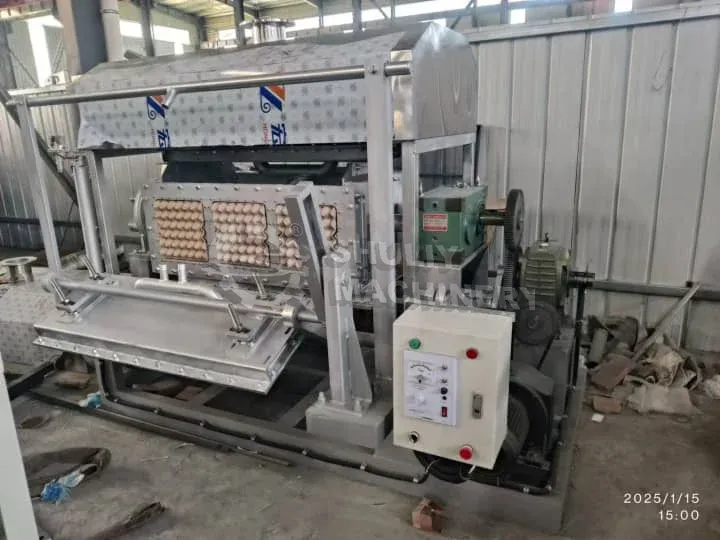
Our egg tray machine falls into three main categories based on forming technology:
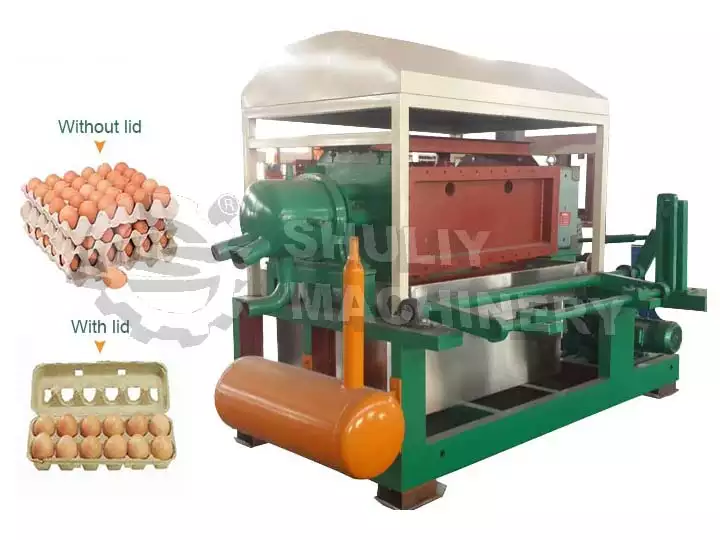
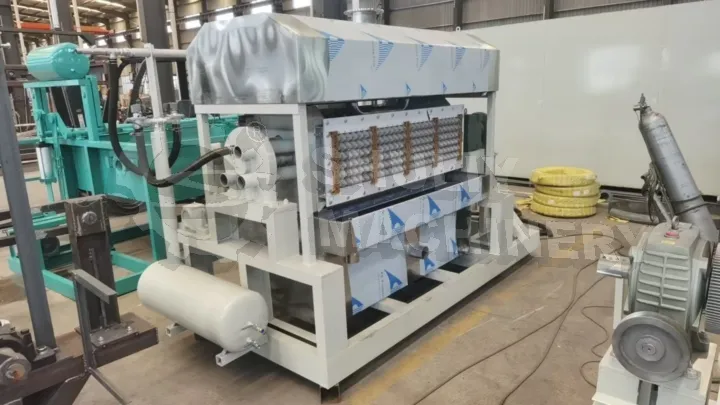
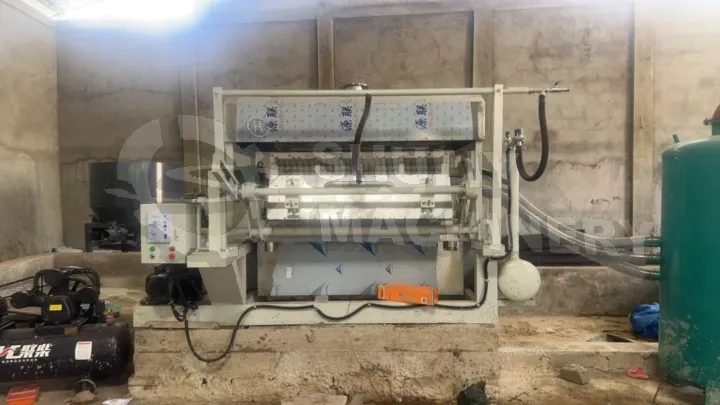
Rotary Egg Tray Machine
The most popular choice for commercial operations.
Advantages:
- Higher output (2,500-7,000 pcs/h)
- Fully automatic operation
- Consistent quality
- 24/7 production capability
Best for: Medium to large businesses, export operations
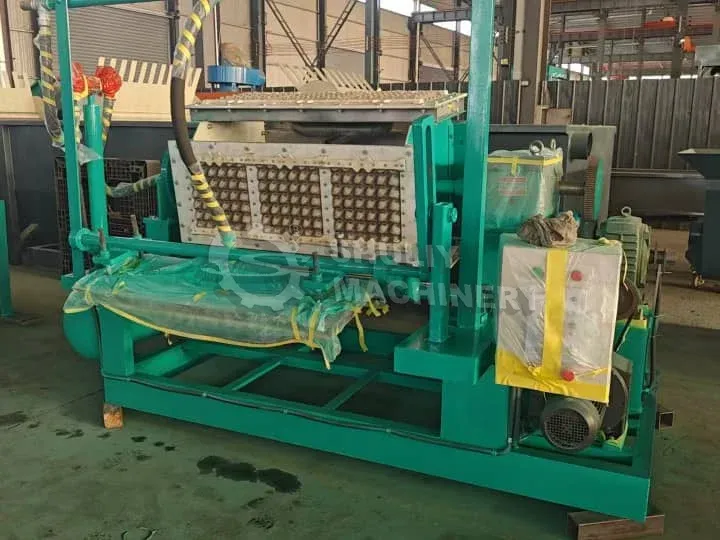
Reciprocating Egg Tray Machine
Traditional design with linear forming action.
Advantages:
- Меньшие начальные инвестиции
- Simpler maintenance
- Suitable for small operations
Disadvantages:
- Lower output (1,000-2,500 pcs/h)
- More labor required
- Less consistent quality
Best for: Small startups, local markets, tight budgets
Manual Egg Tray Machine
Entry-level option for testing the market.
Advantages:
- Lowest cost ($5,000-$10,000)
- Easy to operate
- No electricity required for some models
Disadvantages:
- Very low output
- High labor intensity
- Limited product range
Best for: Very small operations, market testing, developing regions
Step 3: Match Capacity to Your Needs
| Business Size | Recommended Capacity | Suggested Model |
|---|---|---|
| Startup | 1,000-1,500 pcs/h | 3×1 / 4×1 |
| Small business | 1,500-2,500 pcs/h | 4×1 / 3×4 |
| Growing business | 2,500-4,000 pcs/h | 4×4 / 4×8 |
| Established factory | 4,000-6,000 pcs/h | 4×8 / 5×8 |
| Industrial scale | 6,000-7,000 pcs/h | 6×8 |
Pro tip: If you’re unsure about future demand, start with a 4×4 model. It offers the best balance of capacity, investment, and upgrade potential.
Step 4: Set Your Budget on How to Choose Egg Tray Machine
The paper egg tray machine prices vary widely based on capacity and configuration.
Price Ranges by Capacity
| Емкость | Machine Only | Complete Line |
|---|---|---|
| 1,000 pcs/h | $5,000-$8,500 | $10,000-$20,000 |
| 1,500 pcs/h | $5,500-$9,000 | $15,000-$40,000 |
| 2,500 pcs/h | $6,000-$10,000 | $40,000-$60,000 |
| 4,000 pcs/h | $8,000-$18,000 | $60,000-$90,000 |
| 6,000 pcs/h | $9,000-$20,000 | $90,000-$130,000 |
| 7,000 pcs/h | $9,500-$30,000 | $120,000-$180,000 |
Hidden Costs to Consider
Don’t forget these often-overlooked expenses:
- Shipping and insurance: 5-10% of machine cost
- Installation and training: $2,000-$5,000
- Building preparation: Foundation, electrical, water systems
- Spare parts inventory: 5-10% of machine cost
- Working capital: 3-6 months of operating expenses
Step 5: Choose Your Drying Method
The dryer is a critical component that affects both product quality and operating costs.
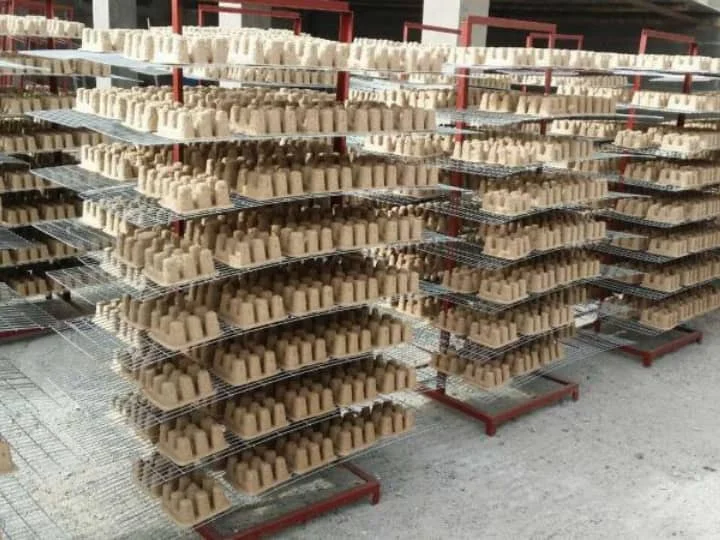
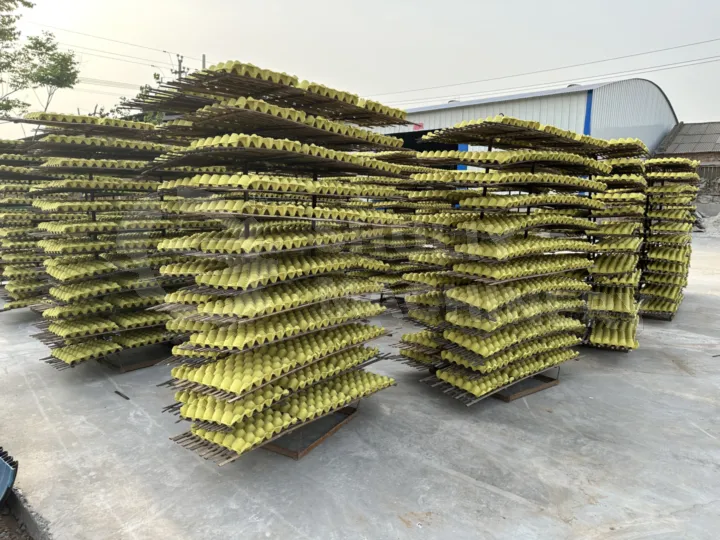
Естественная сушка
- Расходы: $0 (uses sunlight)
- Time: 2-48 hours (weather-dependent)
- Best for: Small operations in warm, dry climates
- Investment: Lowest
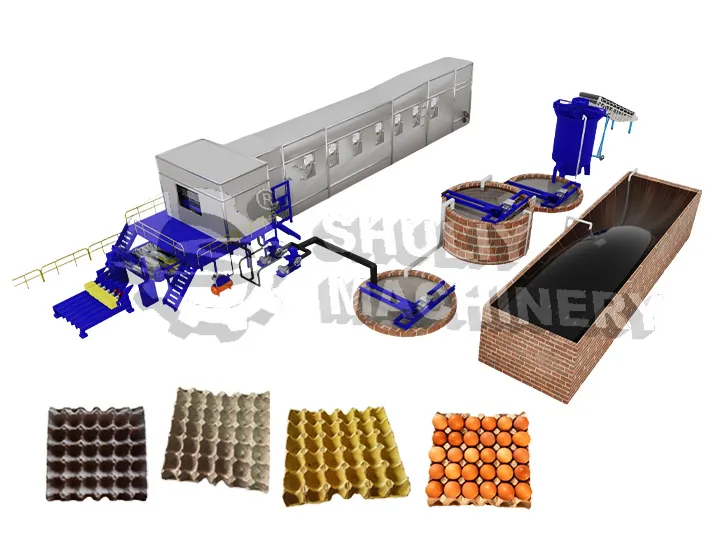
Сушка кирпича в печи
- Расходы: $5,000-$15,000
- Time: 15-30 minutes
- Best for: Medium operations, consistent quality
- Investment: Moderate
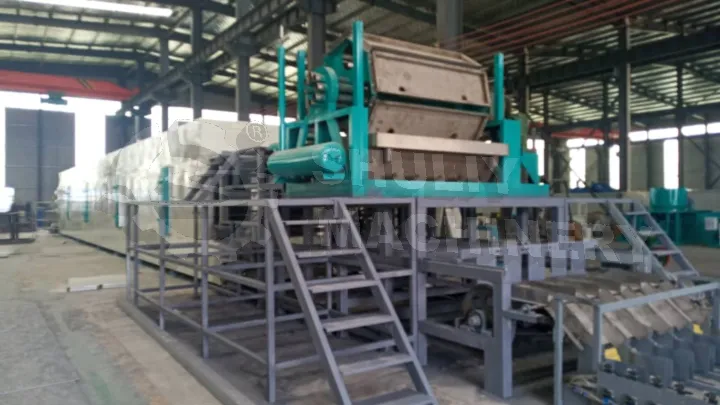
Metal Dryer
- Расходы: $20,000-$60,000
- Time: 10-25 minutes
- Best for: Large operations, all-weather production
- Investment: Higher, but more efficient
Learn more about egg tray drying methods
Step 6: Evaluate Suppliers Carefully
The cheapest option isn’t always the best. Consider these factors:
What to Look For
- Manufacturing experience: 10+ years in the industry
- Export record: Proven track record with international clients
- Certifications: CE, ISO, or other quality standards
- Installation services: On-site setup and training available
- Послепродажная поддержка: Technical assistance, spare parts supply
- Warranty terms: At least 12 months on major components
Red Flags to Avoid in How to Choose Egg Tray Machine
- Prices significantly below market average
- No verifiable factory or production videos
- Reluctance to provide customer references
- No clear warranty or return policy
- Poor communication during the inquiry stage
Questions to Ask Suppliers
- How many machines have you exported to my region?
- Can you provide contact information for past customers?
- What does your installation service include?
- What’s your spare parts delivery time?
- Do you offer remote technical support?
- What’s covered under your warranty?
Step 7: Plan for Installation and Training
Even the best machine fails without proper installation. Plan ahead:
Site Preparation Checklist
- Adequate floor space (machine + dryer + storage)
- Reinforced foundation for heavy equipment
- Three-phase power supply (380V, 50Hz)
- Reliable water supply
- Proper ventilation for drying systems
- Waste paper storage area
Training Requirements
Ensure your team learns:
- Daily operation procedures
- Mold changing techniques
- Basic troubleshooting
- Preventive maintenance
- Quality control standards
- Safety protocols
Step 8: Think About Long-Term Value
Beyond the purchase price, consider:
- Spare Parts Availability
- Choose a supplier with readily available spare parts. Custom or hard-to-find components can cause weeks of downtime.
- Upgrade Possibilities
- Can you add molds later? Expand capacity? Upgrade the control system? Choose a machine that grows with your business.
- Resale Value
- Well-maintained machines from reputable manufacturers hold their value better. This matters if you plan to upgrade in 5-7 years.
Common Mistakes to Avoid on How to Choose Egg Tray Machine
- Choosing based on price alone
- The cheapest paper pulp molding machine often costs more in the long run through repairs and downtime.
- Ignoring after-sales support
- A machine is only as good as the team supporting it. Prioritize suppliers with strong service networks.
- Underestimating installation needs
- Many buyers forget to budget for site preparation, electrical work, and training.
- Over-investing in capacity
- A 7,000 pcs/h machine is wasted if you only need 2,000. Match the machine to actual demand.
- Skipping reference checks
- Always talk to existing customers before committing. Their experience reveals the truth.
Decision Framework: Your Action Plan
- Calculate your needs: Daily output, growth projections, product range
- Set your budget: Machine cost + installation + operating capital
- Research suppliers: 3-5 reputable manufacturers with proven track records
- Compare options: Use a spreadsheet to compare specs, prices, and terms
- Request quotes: Get detailed quotations with all costs included
- Check references: Talk to existing customers in similar situations
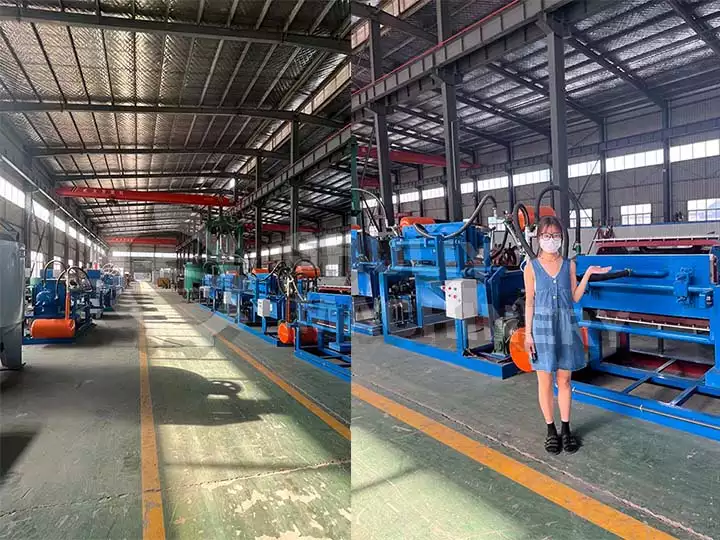
- Visit the factory: If possible, see the machine in operation before buying
- Finalize terms: Warranty, payment, shipping, installation, training
- Prepare your site: Foundation, utilities, storage, ventilation
- Plan your launch: Training, first production run, quality control
FAQ on How to Choose Egg Tray Machine
What capacity machine do I need for a small business?
For a small business serving local markets, 1,000-2,000 pcs/h is usually sufficient. The 3×1 or 4×1 models offer the best entry point with room to expand.
How much should I budget for a complete egg tray production line?
A complete production line (machine + dryer + auxiliary equipment) ranges from $15,000 for small operations to $180,000 for industrial-scale facilities. Add 20-30% for installation, building, and working capital.
What’s the difference between rotary and reciprocating machines?
Rotary machines use a rotating drum for continuous production, offering higher output and consistency. Reciprocating machines use a linear forming action, which is simpler but produces less. Rotary is the industry standard for commercial operations.
Do I need a dryer, or can I dry trays naturally?
Natural drying works for small operations (under 1,500 pcs/h) in warm, dry climates. For higher capacity or humid regions, a mechanical dryer is essential for consistent year-round production.
How long does installation take?
A complete production line typically takes 7-14 days to install, including machine setup, dryer construction, electrical work, and operator training.
What about after-sales support and spare parts?
Choose a supplier with a regional service network or fast international shipping for spare parts. Many manufacturers offer 12 months of free technical support via video call.
Get Expert Help Choosing Your Machine
Still unsure which машина для яиц is right for your business? Our team can help you analyze your needs and recommend the perfect setup.
Contact Shuliy for a free consultation.
We serve customers in 80+ countries with CE-certified equipment, on-site installation, and lifetime technical support. Let us help you build a profitable egg tray business.